GeoCodes: How a Game Blended Fun and Geotechnical Learning
By Isabelle J.V.C. César
Undergraduate student (Year 4) of Civil Engineering at UFRR
I’ve always been passionate about board games. When I found out GeoFun — a project that develops games in the field of Geotechnics, developed by Dr Mariana Chrusciak and Dr Bruna Lopes — I realized I could combine two of my greatest passions: games and geotechnics. That’s when the idea of turning technical content into something playful truly captivated me.
In the Environmental Geotechnics module, one of the assignments was to write a paper. That’s when I saw the perfect opportunity: to write a paper that merged the module's concepts with the development of a game. Then came the big question—should I create a game from scratch or adapt one that already exists? Considering the time I had and the goal of reinforcing the course content, I decided to adapt an existing game. I’ve always loved Codenames and I play it regularly, so when I thought about a game that works directly with concepts, it instantly came to mind. That’s how I created GeoCodes, an educational word-association game designed for teaching Environmental Geotechnics.
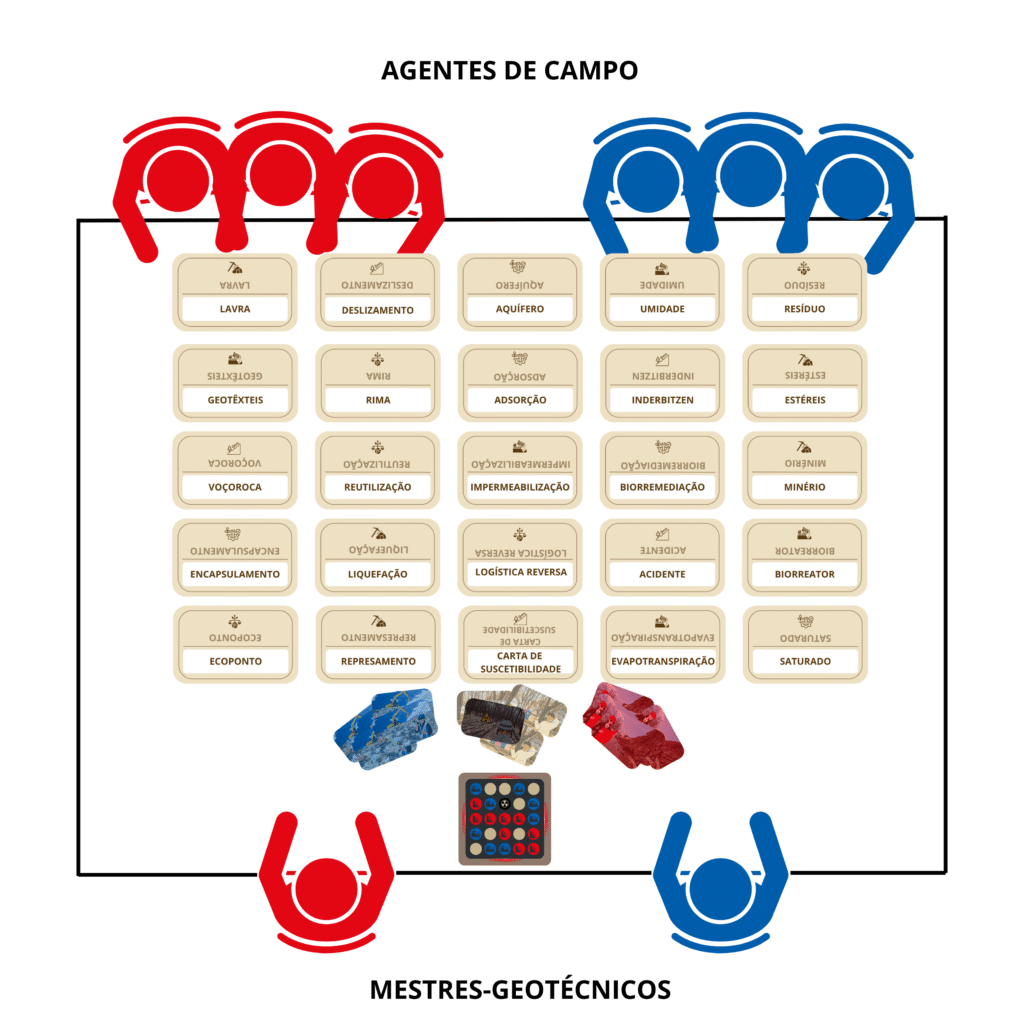
GeoCodes is a board game that challenges players to link environmental geotechnical concepts using clues, promoting logical thinking and learning in a fun, engaging way. The idea is to help people absorb technical content actively and collaboratively—not just students in the field, but anyone encountering these topics for the first time.
(a)
(b)
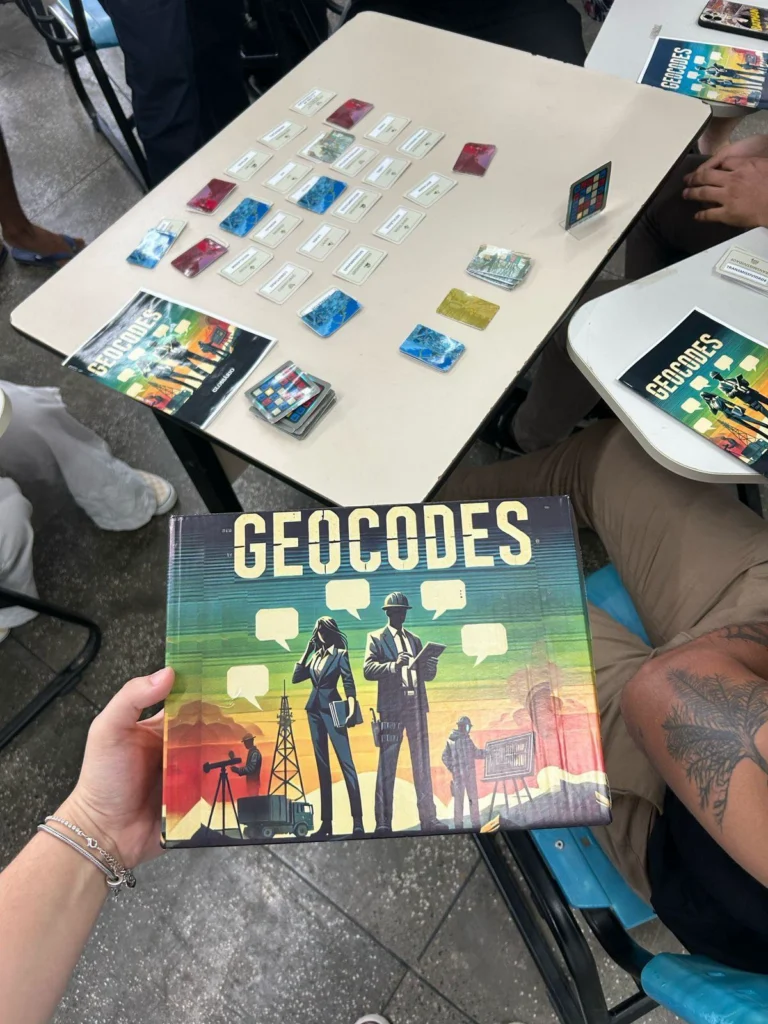
Figure. Example of a) game setup and b) actual game layout.
The first step was to review the module content and select which concepts to include in the game. I ended up choosing 80 concepts, which I then divided into categories.
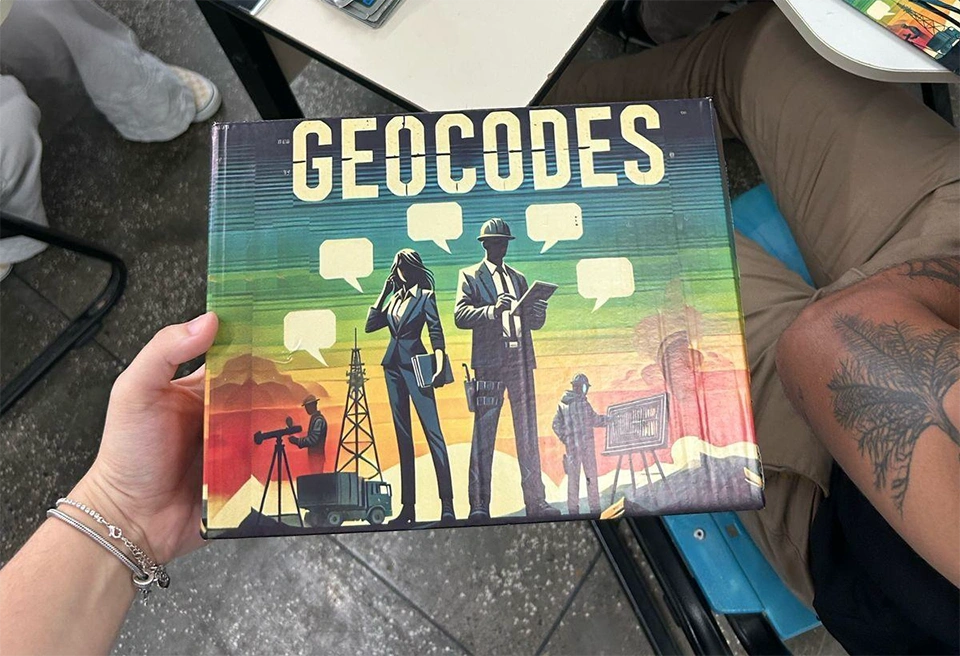
I wanted the game to look like a real game—with cards, colors, and a polished appearance—so having an attractive design was crucial. In the second phase, I created the card designs, box art, and all visual materials using Canva and AI tools, which made the customization process easier. Overall, it was a challenging journey, but seeing everything take shape was incredibly rewarding.
(a)
(b)
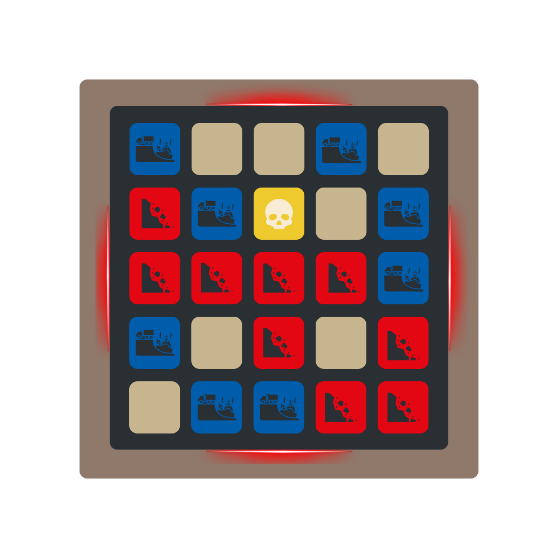
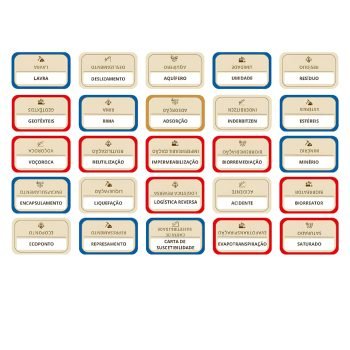
Figure. Example of: a) answer key available to the geotechnical masters, and b) code cards.
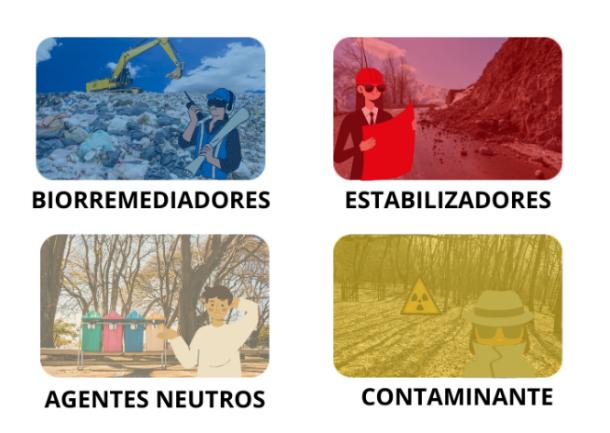
One of the most creative parts was adapting the original game roles to the geotechnical context. In GeoCodes, field agents became Stabilizers and Bioremediators, representing actual strategies for working with contaminated soils. The dreaded “assassin” turned into the Contaminant, representing environmental challenges in geotechnics. And the “spymasters,” who guide the teams in the original game, became Geotechnical Masters—the ones who understand the concepts and guide the rest of the players.
Figure. Indicator cards with their corresponding colors.
Figure. Box and game elements.
To better understand how my classmates felt about GeoCodes and using games in the classroom, we developed a survey to gather feedback. The questionnaire, approved by UFRR’s ethics committee, was distributed right after the game session in class.
While I was the one who designing and developing the game, I had a lot of support along the way. My supervisors helped me from the ethics approval process to offering valuable insights during development. I also received support from Glenda Santos from UFRR’s Psychology program, who helped with the statistical analysis of the survey results. And of course, my classmates played a huge role—they tested the game, gave feedback, and made essential suggestions to improve it.
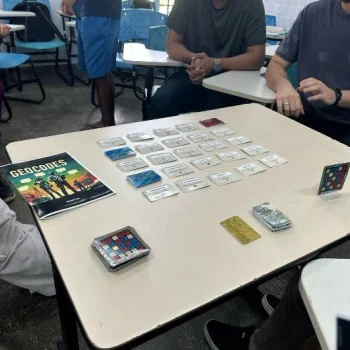
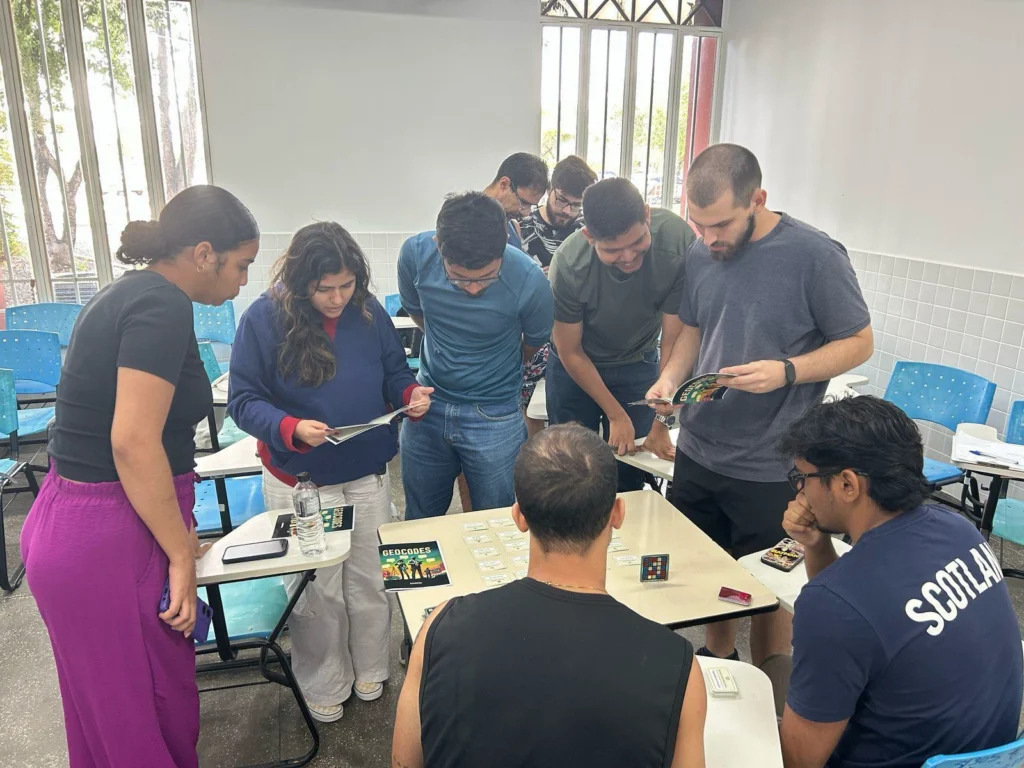
We play-tested the game with students from the Environmental Geotechnics module, which I was also enrolled in. We did it at the end of the semester, so the material was still fresh in everyone’s minds, and the engagement was fantastic. The survey responses brought in great suggestions—like creating a tutorial video for the game manual, since let’s be honest, it’s a bit complex at first. Another helpful idea was making the glossary more accessible.
Figure. Game test in the classroom.
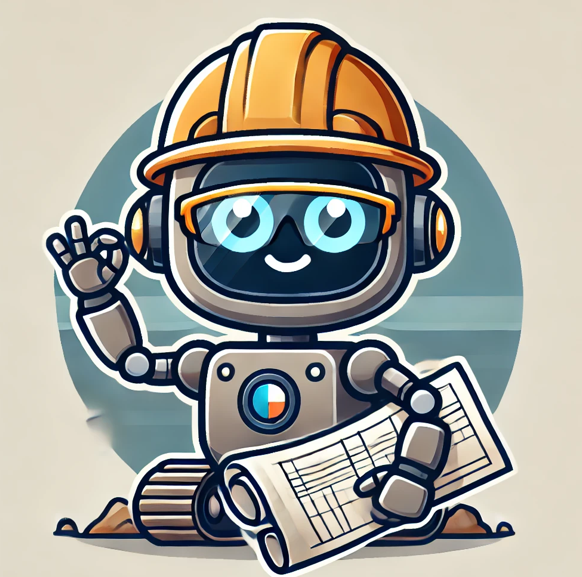
And that’s when GEOnius was born! GEOnius is essentially a geotechnical genius. It’s a chatbot that answers questions about the game rules and technical terms on the cards, helping players without interrupting the flow of the game.
(a)
(b)
Figure. a) GEOnius and b) GEOnius being used as support for the game.
The creative freedom I had during this whole process was essential. Being able to think through every detail—from adapting the glossary to developing new ways to make the game easier to play—allowed me to experiment, innovate, and explore. What made it even more special was realizing that while I was creating, I was also learning. Designing the game gave me direct exposure to the module content and that was a big factor in my academic performance.
It was amazing to see my classmates learning and having fun with a game I created with so much care. Even though I got suggestions for improvements, everyone said it helped them better understand the material. And the best part? I got to adapt Codenames, a game I love, to fit Geotechnical Engineering—another field I’m deeply passionate about.
To wrap it up, the results showed that when a game is well-structured, it can make complex concepts easier to grasp. We also noticed that people who already enjoy games tend to have a better experience and feel more motivated. So, when designing educational games, it’s important to keep these factors in mind. Future research could explore this further by involving more participants and taking individual differences into account.
Finally, I think it’s important to say this was just the first phase. GeoCodes has the potential to be used in other modules, workshops, even technical high school classes. For me, blending science, creativity, and fun is a powerful recipe for making learning lighter, more meaningful—and way more enjoyable.